Asbestos is hazardous. This site publishes general information for Australian homeowners and does not replace advice from a licensed asbestos assessor or removalist. Never disturb, cut, drill, sand, or remove suspected asbestos-containing materials yourself — engage a licensed asbestos professional.

A California bungalow in Kensington, Sydney — the kind of pre-1990 Australian home where asbestos-containing materials were commonly installed

Licensed professionals only

Asbestos in Australian homes — stop, test, then licence it

If a house was built or renovated before 1990, treat suspect sheeting, roofs, fences and wet-area walls as asbestos until a licensed professional and a laboratory say otherwise. This site will never tell you to DIY.

At a glance

National ACM ban
31 Dec 2003
Higher-likelihood homes
Pre-1990
Removal licences
Class A / B
Laboratory required
No visual ID
City hubs on this site
5 capitals
Standing advice
Never DIY

What this site is for

Asbestos removal in Australia is not a weekend job. Breathing asbestos fibres can cause asbestosis, lung cancer and mesothelioma. There is no known safe level of exposure. The only standing advice on this site is to engage a licensed asbestos professional — an assessor to identify and sample, a Class A or Class B removalist to take material away, and the state regulator if you need to check a licence.

Australia used asbestos in more than 3,000 products. A national ban on importing, manufacturing and using asbestos-containing materials took effect on 31 December 2003. Safe Work Australia notes that thousands of buildings and plant still contain it. Homes built or renovated before 1990 are the usual risk window. Existing materials can stay in place if they are stable and left alone — that is a professional judgement, not a DIY visual check.

What is this site? An independent information and referral guide at asbestosremoval.com.au. We publish identification explainers, process pages, city hubs for Sydney, Melbourne, Brisbane, Perth and Adelaide, and a contact form that helps you reach a licensed professional. We are not a WHS regulator. We do not remove asbestos. We do not invent live prices or licence numbers.

Read the public pages from Safe Work Australia, the Asbestos Safety and Eradication Agency, and your state asbestos site before you plan a renovation. Then leave the material undisturbed and ask a licensed person to take the next step.

Why it matters

Six reasons to stop and get it licensed

Most people arrive because a bathroom, fence or roof looks “like fibro”. They should leave with one rule: do not touch it — engage a licensed asbestos professional.

  1. Licensed, or not at all

    Safe Work Australia’s public guidance is that you need special training and a licence to remove asbestos. Some states describe narrow exceptions for tiny amounts of non-friable material. This site does not treat those exceptions as a DIY invitation. Engage a licensed asbestos professional.

  2. You cannot identify it by eye

    Cement sheet, vinyl, insulation and textured coatings can all hide asbestos. NSW’s asbestos site is blunt: it comes in a range of forms, colours and textures. Use a competent person and a NATA-accredited laboratory — not a phone photo.

  3. Pre-1990 is the usual window

    ASEA’s householder guidance: if the house was built or renovated before 1990, it probably contains some asbestos. Manufacturing of many products wound down in the 1980s; the complete ban arrived at the end of 2003.

  4. Friable is a different job

    Friable asbestos can be crumbled by hand and releases fibres easily — pipe lagging, some insulation, damaged material. Only a Class A licensed removalist should touch it. Bonded (non-friable) cement sheet is still hazardous when cut, broken or weathered.

  5. The ban did not empty the suburbs

    The 31 December 2003 prohibition stopped new work with asbestos. It did not magically extract Super Six roofs, eaves, fences or bathroom walls already in place. Disturbance — not mere presence — is when most domestic exposures happen.

  6. The regulator is in your state

    Model WHS rules are national; licences and notification are not. Sydney work is a SafeWork NSW question. Melbourne is WorkSafe Victoria. Brisbane is WHSQ. Perth is WorkSafe WA. Adelaide is SafeWork SA. We link those sites; we do not replace them.

A pre-war Australian bungalow — typical of housing where asbestos-cement products were widely used

In the home

You cannot tell by looking

Asbestos was used in more than 3,000 products in Australia. Fibro sheeting, Super Six roofs, vinyl tiles, eaves, fences, and bathroom walls can all look ordinary. Safe Work Australia and state asbestos sites are clear: appearance is not a test.

Homes built or renovated before 1990 are the usual starting point. The national ban on asbestos-containing materials took effect on 31 December 2003. Existing materials can remain in place until they are disturbed.

If you are planning a renovation, a bathroom refresh, or a fence replacement, treat suspected materials as asbestos until a competent person and a NATA-accredited laboratory say otherwise.

Identification guide
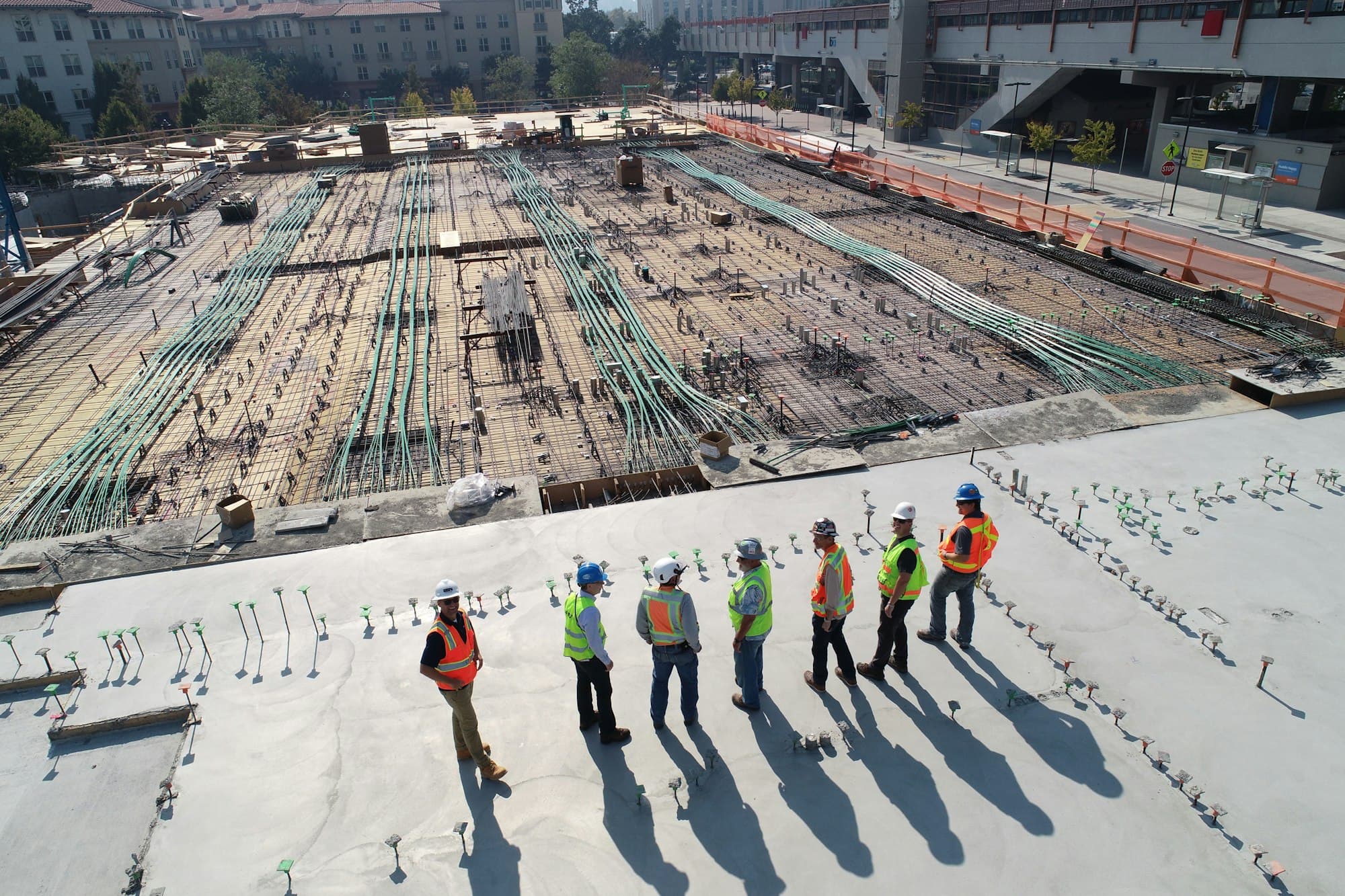
Construction workers in hard hats on a building site — licensed professionals, not DIY

The process

Class A, Class B, then clearance

Under the model WHS framework, Class A licensed removalists can remove friable and non-friable asbestos. Class B covers non-friable work. A licensed asbestos assessor handles air monitoring and clearance for Class A jobs.

Some jurisdictions describe limited exceptions for very small amounts of non-friable material. This site does not treat those exceptions as permission to DIY. There is no known safe level of asbestos exposure. Engage a licensed asbestos professional.

Licensing is state-based. Confirm the licence with the regulator where the work will happen — SafeWork NSW, WorkSafe Victoria, WHSQ, WorkSafe WA, or SafeWork SA.

Licensed removal explainer
Adelaide CBD across the River Torrens — this site’s historic city hub

Cities

Adelaide first, then the other capitals

This domain grew around Adelaide bungalows, south-side renovations, and SafeWork SA public guidance. The historic path /asbestos-removal-adelaide/ is still the Adelaide hub.

Housing stock changes the conversation: Sydney fibro, Melbourne weatherboard and brick veneer, Brisbane wet-area sheeting, Perth asbestos-cement, Adelaide interwar bungalows. The safety rule does not change.

Each city page links the state asbestos site so you can read the regulator in their own words — not a paraphrase that pretends to be the law.

Adelaide hub

Three ways in

Make the most of this guide

Three honest ways into the problem — identify where asbestos was used, understand licensed removal, or open the city hub that matches your regulator.

Plan your visit to the suspect wall — educational pathway photograph, not a confirmed asbestos material

Identify

Plan your visit to the suspect wall

Opening hours of a renovation should start with a pause. Common locations, why bathrooms and eaves matter, and why a photo is not a test.

Learn more
How removal is supposed to run — educational pathway photograph, not a confirmed asbestos material

Licensed work

How removal is supposed to run

Class A versus Class B, clearance certificates, and why this site will not publish a how-to for taking sheets down yourself.

Learn more
City hubs and regulators — educational pathway photograph, not a confirmed asbestos material

Nearby

City hubs and regulators

Adelaide is the historic path. Sydney, Melbourne, Brisbane and Perth sit beside it — each with the state asbestos site linked in the open.

Learn more

Before you renovate

A decision sequence that does not include a crowbar

Most people land here because a bathroom, fence, roof or eave is on a weekend list. The useful next step is not a hardware-store bag. It is a pause, a competent-person assessment, and — if material must move — a licensed asbestos professional whose Class A or Class B licence you have checked on the state register.

Safe Work Australia states that breathing asbestos fibres can cause asbestosis, lung cancer and mesothelioma, and that you need special training and a licence to remove asbestos. The Asbestos Safety and Eradication Agency publishes householder guidance for the same reason: Australia used asbestos in thousands of products, and a large share of pre-1990 housing still carries some of it. This site will not invent a medical prognosis, a live quote, or a “safe DIY” method.

Use the identification guide if you need a room-by-room suspicion map. Use the testing page if a renovation depends on knowing. Use a city hub if you need the regulator that actually licenses the work. Then use the contact form with a suburb and a description — not a sample. We refer. We do not remove asbestos, issue clearance certificates, or speak for Safe Work Australia.

If a sheet is already broken, stop, keep people away, and engage a licensed asbestos professional. Do not sweep or household-vacuum the dust. Emergency notes belong on your state asbestos site, not in a blog tutorial.

Questions

Questions people actually ask

Direct answers first — the questions homeowners type into search and ask assistants.

No — this site’s advice is always to engage a licensed asbestos professional. Some jurisdictions describe limited exceptions for very small amounts of non-friable asbestos; we still do not recommend DIY because there is no known safe level of exposure. Read your state regulator and then hire a licensed removalist.

Do not start the renovation yet

If you suspect asbestos, leave it alone and engage a licensed asbestos professional. We can take a suburb and a short description and help you find the right next step.